


Solid WPC Floor
Solid wood plastic flooring is a composite flooring that combines wood and plastic. It is usually made from a mixture of wood fiber and plastic (such as polyethylene or polypropylene) and is processed into shape under high temperature and pressure.
Strong durability
Anti-UV, not easy to fade, long service life.
Insect-proof
Wood-plastic composites are less susceptible to insect infestation.
Diversity
Choose different colors and textures according to your needs, suitable for various decoration styles.


Is wood plastic flooring better to be hollow or solid?
Features
Solid flooring: looks more like solid wood. With greater load-bearing capacity, it is suitable for placing heavy objects on the deck. Better sound absorption performance.
Hollow floor: light weight, easy to transport and install.
Appearance
Both solid boards and hollow boards have a similar appearance to wood and have more color options than wooden boards. As the name suggests, solid boards are made from solid material. Generally solid boards look more realistic, with more variation in grain detail. The most obvious difference in appearance between the two decks is the interior. The interior of the hollow board adopts a hollow tunnel-style design, and square or round holes can be seen in the cross-section. During installation, the exposed cross-section of the hollow board needs to be covered with an edge board.
Performance
Whether it is a hollow board or a solid board, both have better performance than traditional wooden boards. With the development of wood-plastic technology, wood-plastic flooring is more durable than wooden boards and does not require regular painting and maintenance like wooden boards. There are many aspects of performance difference between the two: for example, solid boards generally have better sound absorption performance and are quieter when walking. Solid boards have better strength and load-bearing properties and have a relatively longer service life.
Cost
In terms of materials, since the hollow structure uses less material, the price of hollow wood plastic flooring will generally be cheaper. But from a durability perspective, solid products have better performance and longer service life. Whether you use hollow boards or solid boards, in terms of post-maintenance, maintenance costs can be greatly reduced compared to wooden floors.
Application type
Solid boards are more suitable for use in public areas with high foot traffic, such as bars and restaurants, and we also recommend using solid boards in commercial projects. Hollow core slabs are suitable for private use areas where temperature or humidity changes are small.

who choose us?
The company focuses on the R&D and design of wood-plastic products and light steel buildings.
The company is located in Qingdao, a beautiful seaside city. The factory covers an area of 20,000 square meters, has 10 wood-plastic production lines, and has an annual output of more than 7,000 tons.
Product Advantages
Green and environmentally friendly, recycling, quick and convenient installation.
Construction Experience
15 years of production and construction experience.
Excellent Service
Provide professional technical support and solutions to every customer.
Solid wood plastic flooring types
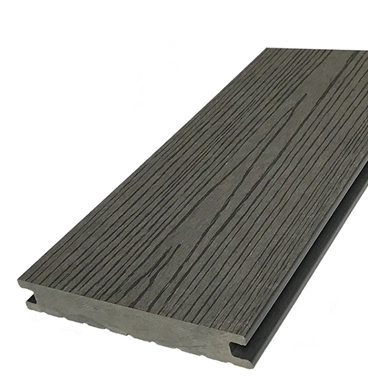
Solid co-extruded wood plastic garden flooring
It can be used on both sides and is specially designed to meet the needs of large traffic and high intensity.

Hot selling double sided solid wood plastic flooring
The surface can be sanded, brushed, or 3D embossed, and can be used on both sides.
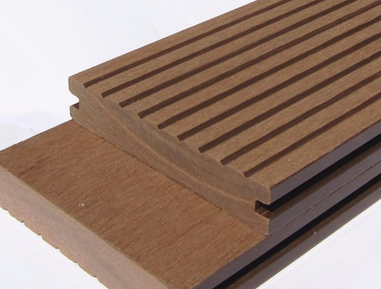
Solid Wood Plastic Floor
One side of the striped design can be used as a fence, fence, or combined flooring.

DIY modular floor
Easy to install: no cement or glue required, snap-on or spliced design, easy and quick to install.
WPC floor application scenarios
Outdoor spaces: such as balconies, terraces, courtyards, and around swimming pools. Wood-plastic flooring is waterproof, moisture-proof, and weather-resistant, making it very suitable for outdoor use.
Parks and scenic spots: Wood-plastic flooring can be used for trails, leisure areas and seats. It has good anti-slip properties and wear resistance, and is suitable for places with dense flow of people.
Commercial places: such as restaurants, cafes, shopping malls, etc., wood-plastic flooring can provide a comfortable visual and tactile experience and increase the aesthetics of the place.
Residential interior: Used in humid areas such as kitchens and bathrooms, the wood-plastic flooring is waterproof and easy to maintain, making it suitable for family life.
Sports venues: such as gyms and yoga rooms, wood-plastic floors can provide a certain buffering effect and protect the joints of athletes.
Schools and Kindergartens: The safe and environmentally friendly material properties make wood-plastic flooring very suitable for children's activities.
Is WPC Floor Panel Environmentally Friendly
WPC floor panel is considered to be an environmentally-friendly flooring option as it is made from a combination of wood fibers and recycled plastic materials. The wood fibers used in the production of WPC flooring are typically sourced from sawdust and other wood production waste, making use of materials that might otherwise go to waste.
The use of recycled plastics in WPC flooring reduces the amount of plastic that would otherwise end up in landfills or polluting waterways. By using recycled materials, WPC flooring helps reduce the demand for new, virgin materials and can contribute to a more sustainable future.
The production process of WPC flooring typically involves lower energy usage and carbon emissions compared to other flooring materials such as vinyl or carpet. This means that WPC flooring has a smaller carbon footprint and is less impactful on the environment.
FAQ
1. What is wood plastic composite (WPC)?
Wood plastic composite (WPC) is a material made from wood fibers and plastic polymers. The wood used in WPC is typically wood waste from sawmills, wood chips, and other wood products.
2. What are the benefits of using WPC?
WPC offers several benefits, including low maintenance requirements, high durability, resistance to rot and decay, and resistance to insects and pests. Additionally, WPC is easy to install and can be shaped and molded into various designs.
3. How is WPC made?
WPC is made by mixing wood fibers with plastic polymers and additives. The mixture is then heated and pressed into various shapes and sizes.
4. What types of products can be made with WPC?
WPC can be used to make a variety of products, including decking, fencing, railing, outdoor furniture, and building materials such as doors and window frames.
5. What is the lifespan of WPC products?
WPC products typically have a lifespan of 25-30 years, depending on the specific product and how well it is maintained.
6. Is WPC environmentally friendly?
WPC can be considered environmentally friendly because it uses recycled materials and reduces the need for harvesting new lumber. Additionally, WPC is non-toxic and does not release harmful chemicals into the environment.
7. How does WPC compare to other materials, such as wood and traditional plastic?
WPC offers several advantages over traditional wood and plastic materials. It is more durable and resistant to weathering, insects, and decay than wood, and it is more environmentally friendly than traditional plastic materials.
8. How do I maintain WPC products?
WPC products require minimal maintenance, typically only requiring periodic cleaning with soap and water. Stains or marks can be removed with a mixture of vinegar and water, and scratches can be sanded out.
We're well-known as one of the leading solid WPC floor manufacturers and suppliers in China. Please rest assured to wholesale high quality solid WPC floor made in China here from our factory. For price consultation, contact us.
Solid WPC Floor, Core Floor WPC Waterproof Flooring, Eco friendly Solid WPC Decking